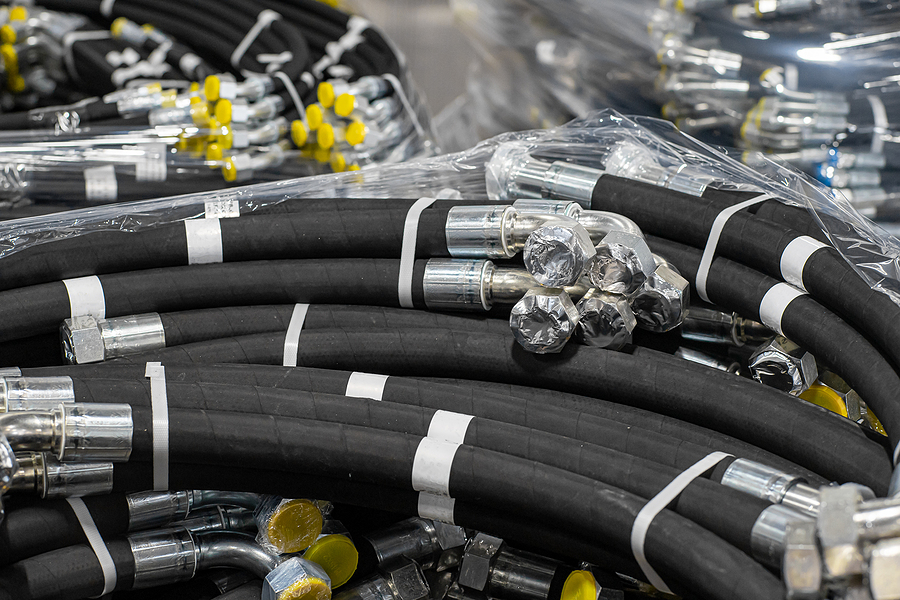
One of the most commonly purchased resources for manufacturing plants is hoses. Industrial hoses are designed to work with a wide range of equipment while safely transferring hazardous chemicals. Because of this, these hoses are engineered for long-term use in rough environments. However, it is important to have the right hose for each use. Otherwise, you risk a catastrophic failure and a safety hazard. Here is what you need to know about industrial hoses before adding new hoses to your purchase list, serving as a practical guide to industrial hoses.
Key Factors for Choosing Industrial Hoses in Manufacturing
Each manufacturing process depends on precise hose performance. You must evaluate the type of substance that flows through the system, along with the temperature and pressure it will encounter. A hose that handles water or air differs from one that transfers corrosive chemicals or abrasive materials.
Before you attach any hose to transfer equipment, make sure that it is properly rated for the job. Every industrial hose supplier should have detailed information on what a hose they sell can handle. Double and triple check that the hose you choose is designed to handle the temperature, pressure, and chemical makeup of the chemicals you need to move.
Pressure Ratings and Temperature Limits for Manufacturing Hoses
Pressure ratings determine safe performance during operation. Every hose has a maximum pressure level established during testing. Exceeding that limit causes internal damage, leaks, or bursts. Confirm that your system pressure remains below the rated capacity of the hose.
Temperature limits work in the same way. Hoses must retain strength and flexibility under the full range of heat or cold in the system. The benefit of using silicone is that it maintains its structure even at high temperatures. Thermoplastic, on the other hand, performs better in cold environments and is better suited to moving cold chemicals like liquid nitrogen.
Hose Materials and Their Applications
Material choice defines performance, resistance, and service life. Synthetic rubber combines flexibility with durability, making it ideal for general industrial use. Silicone provides high heat tolerance, while metal hoses resist corrosion and maintain shape under pressure.
Composite hoses contain multiple layers that resist chemicals, pressure, and abrasion. For instance, a hose used to transport acids might include a Teflon inner lining for chemical resistance and a reinforced synthetic outer shell to handle higher levels of pressure. Each layer is designed to protect the hose from a specific type of damage while in use.
Fittings, Couplings, and Connection Choices
The hoses themselves get a lot of attention when making decisions, but the connectors that they use are just as important. Fittings, couplings, and connections undergo the same stresses as the hoses that use them, so they need to be chosen with the same rigor as the rest of the system. Make sure that they have the right temperature and pressure ratings to survive as long as your hoses do.
Signs Your Industrial Hose Needs Replacement
Regular inspections prevent unexpected failures. Examine each hose for cracks, kinks, or surface wear before every major operation. Blisters or bulges reveal internal separation, while discoloration indicates chemical attack. Any visible damage requires prompt replacement.
Leaks at joints or along the hose body signal serious degradation. Loss of flexibility or soft spots along the line also indicates weakening materials. Replace any hose that shows swelling, flattening, or deformation under pressure.
Maintenance Tips to Extend Hose Lifespan
One of the most important things you can implement to prevent problems is a hose maintenance policy. Being proactive about protecting your hoses means you can avoid accidents, injuries, and costly repairs.
Start by cleaning each hose after use to remove residue that could corrode the inner layer. Support hoses properly during use to prevent sharp bends or excessive tension.
Get Help Finding the Right Hoses For Your Applications
Selecting the correct hose for a manufacturing plant requires consideration of material compatibility, pressure levels, and temperature requirements. Finding the right hoses may require help. Contact Hose Heaven at (973) 404-1500 or use our contact form to get help finding the right hoses for your needs today. Our team evaluates each factor to match the right product to your operation.